

PRP vs GFC for Hair Loss: Which Treatment Is Better?

PRP vs GFC for Hair Loss
PRP vs GFC for Hair Loss Which Treatment Is Better Square

What This Post Covers

  • You will learn how PRP vs GFC for hair loss actually compares, step by step.
  • You will see how PRP treatment for hair loss differs from GFC hair treatment.
  • You will find out which is better PRP or GFC for your stage of hair loss.
  • You will get a side-by-side look at these two hair regrowth treatments compared.
  • You will know what to ask before booking either treatment.

What Are PRP and GFC?

PRP (Platelet Rich Plasma) and GFC (Growth Factor Concentrate) are two forms of treatment based on your own blood, used to encourage hair growth. The difference is in the processing method and in the components of the blood that will do the job.

PRP vs GFC for Hair Loss: Which Treatment Is Better?

Your dermatologist recently discussed two ways of solving your problem of thinning hair and these terms mean nothing to you at all.

PRP and GFC both sound similar because they start the same way, with a small blood draw. What happens after that draw is where they split into two different treatments with different strengths.

This article will provide information about the distinction between PRP and GFC hair loss treatments, their suitability for your condition, and when each is the right choice for you.

Hair Loss PRP Treatment: What Is It?

To conduct a PRP treatment for hair loss, your blood will be separated to obtain platelets that include growth factors. The platelets are then introduced back into your scalp to keep hair follicles functioning for long periods of time.

It is the preferred first option of dermatologists because of its easier processing and relative lower cost.

What Is GFC Hair Treatment?

GFC hair treatment goes a step further than standard PRP. It isolates just the growth factors from the platelets and removes other blood components, including white blood cells, before injecting a more concentrated solution into the scalp.

In short, PRP delivers a broader mix from your blood, while GFC hair treatment delivers a purer, more concentrated dose of the specific growth factors linked to hair regrowth.

PRP vs GFC for Hair Loss: Full Comparison

Criteria PRP GFC
What it uses Platelet-rich portion of blood Concentrated growth factors only
Processing method Single or double centrifuge spin Multi-step lab separation process
Session time 30 to 45 minutes 45 to 60 minutes
Sessions needed 4 to 6, spaced monthly 4 to 6, spaced monthly
Best suited for Mild to moderate hair thinning Moderate hair thinning, slower responders
Recovery time 1 to 2 days of mild redness 1 to 2 days of mild redness
Relative cost Generally lower per session Generally higher per session

Based on how each treatment is processed, GFC edges ahead for people who haven’t responded well to PRP alone, since the concentrated growth factors tend to give a stronger push in slower cases. PRP still holds up as the more accessible, budget-friendly starting point for mild to moderate thinning. Both are not absolute winners in terms of comparisons between them. Whichever suits you will depend on the stage of hair loss you are experiencing, the amount of money you have and previous experience with treatment for your scalp.

Which Is Better, PRP or GFC?

Neither treatment shows results overnight. Most people will start noticing fewer shedding during the third month, with noticeable thickness coming about in the sixth month, no matter whichever they use.

Based on the findings of a 2023 study published in the Journal of Cosmetic Dermatology, it was noted that both PRP and GFC had a positive effect on increasing the density of hair, with GFC being slightly better in treating patients with severe thinning of hair.

In cases where patients suffer from mild thinning of hair, both PRP and GFC are effective in the same way, therefore, it all depends on whether the patient is suffering from mild or severe thinning of hair.

Why Does GFC Sometimes Work Better for Slow Responders?

GFC removes red and white blood cells from the mix, leaving a cleaner concentration of growth factors. For scalps that did not respond well to regular PRP treatment for hair loss, it might help to have that additional concentration.

Key Takeaways

  • PRP and GFC both use your own blood to stimulate hair follicles.
  • GFC hair treatment is more concentrated and generally costs more per session.
  • PRP treatment for hair loss is highly effective for mild to moderate hair thinning and it is more affordable.
  • GFC often helps people who saw limited results from PRP alone.
  • Both need multiple sessions and roughly six months to show full results.

Real Case: Switching From PRP to GFC

A 34-year-old man at a Bengaluru clinic completed four sessions of PRP treatment for hair loss covering early crown thinning in 2025 with only mild improvement. His dermatologist switched him to GFC hair treatment for the next round.

After three GFC sessions spaced a month apart, follow-up photos showed clearer regrowth along the crown compared to the PRP course. His dermatologist noted that his scalp likely needed the higher growth factor concentration GFC provides, rather than the broader platelet mix in standard PRP.

In this case, there is an evident example of a common situation in a clinical setting: PRP is used for initial treatment and GFC comes after plateaued results.

How Do You Choose PRP vs. GFC for Hair Loss?

There are several key questions that will help to choose:

  • How recently did you start losing hair? Mild thinning at an early stage responds well to regular PRP.
  • Have you already tried PRP? If the effects were limited, then GFC might be considered.
  • How much do you want to spend on a full course of treatment? PRP is more affordable.
  • Do you need a stronger and more concentrated treatment?

A dermatologist can also assess your hair loss pattern directly, which matters more than guessing based on cost alone.

Expert Note

Often patients wonder which of the treatments is “stronger.” Some patients respond beautifully to standard PRP and never need to consider GFC at all.

Can PRP and GFC Be Combined?

Some clinics do combine both, either alternating sessions or layering GFC hair treatment on top of an existing PRP course. The idea is to get the accessibility of PRP alongside the concentrated push of GFC for stubborn areas.

This is not necessarily the case as this type of treatment varies depending on the responsiveness of your scalp. Instead, it is best to discuss with your dermatologist whether both of these treatments should be combined to fit your specific condition.

When PRP or GFC Is Not the Right Choice

Neither treatment works well for advanced baldness with little to no active follicles left, since there’s nothing left to stimulate. Both are also unsuitable for people with certain blood disorders or active scalp infections. A dermatologist should confirm eligibility before either treatment begins.

PRP and GFC both use your own blood to give thinning hair a real chance at recovery, just through slightly different processing. PRP treatment for hair loss works well as an accessible starting point for mild to moderate thinning, while GFC hair treatment steps in when a more concentrated approach is needed. Talk to a dermatologist about your specific pattern before choosing between PRP vs GFC for hair loss, since the right pick depends on your scalp, not a general rule.

Frequently Asked Questions

Which one is better, PRP or GFC for hair loss? GFC hair treatment is better in the case when there was a limited response of hair to PRP because of the high concentration of growth factors. In the case of mild to moderate hair thinning, regular PRP hair loss treatment will work just as well and is less expensive.
How many PRP or GFC sessions do I need? Usually the number of sessions is around 4-6 and each session is conducted with an interval of 1 month. GFC hair treatment process Sometimes clinics suggest a maintenance procedure every 6-12 months.
Is there pain associated with PRP or GFC? Since both procedures make use of injections to the scalp, one may experience some amount of pain. However, most clinics make use of anesthetic creams before the process; any pain or redness should subside in one or two days.
Which is more expensive, PRP or GFC? The GFC hair restoration procedure is often more expensive than PRP due to the complex processing involved. Costs vary from one clinic to another, so it’s best to compare prices first before choosing PRP or GFC for hair loss.
Will PRP or GFC restore hair on a totally bald scalp? No. Both of these hair regrowth treatments compared here work by stimulating existing, active hair follicles. Areas with no active follicles left won’t respond to either treatment, and a dermatologist may suggest other options for advanced baldness instead.
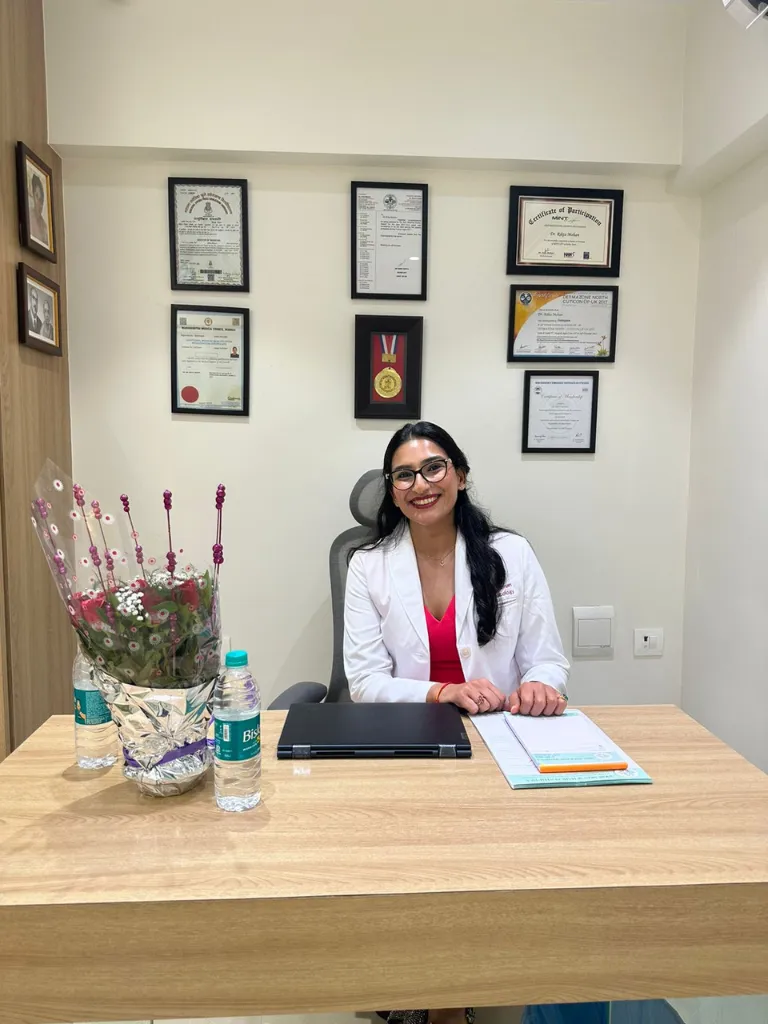
Ritika Mohan
Reviewed by Dr. Rikta Mohan (MBBS, MD DVL)
Dermatologist with 8+ years of experience, Atkir Skin and Hair Aesthetics, Powai, Mumbai.

Laser Hair Reduction

Laser Hair Reduction (LHR) permanently reduces unwanted hair growth using advanced laser technology that targets hair follicles, preventing future growth.


Good for those seeking:

  • Long-term hair removal solution
  • Reduction in excessive hair growth
  • Alternative to regular waxing/shaving
  • Smoother, hair-free skin

Treatment Details:

  • Uses FDA-approved Triple wavelength laser
  • Safe for all skin types
  • Targets hair follicle pigment
  • Non-invasive procedure
  • Customized settings for each individual

Results require 6-12 sessions depending on:

  • Hair thickness and color
  • Treatment area size
  • Individual's gender
  • Hormonal factors
  • Skin and hair type

This effective, long-term solution is ideal for those committed to completing the full treatment course for optimal hair reduction results. 

Maintenance sessions may be needed periodically to maintain results.

This will close in 0 seconds

Fractional CO2 Laser Resurfacing

Fractional CO2 Laser is an advanced skin resurfacing treatment that precisely targets damaged skin layers while preserving surrounding healthy tissue, promoting faster healing and skin rejuvenation.


Good for skin concerns like:

  • Acne scarring
  • Fine lines and wrinkles
  • Sun damage
  • Aging skin
  • Stretch marks
  • Melasma
  • Enlarged pores
  • Rosacea

Treatment Details:

  • Outpatient procedure
  • 1-2 hour duration
  • Local anesthetic provided
  • Protective eyewear required
  • Precise laser application
  • Post-treatment ice therapy
  • Antibacterial dressing applied

What to Expect:

  • Thorough skin cleansing
  • Controlled laser treatment
  • Some discomfort based on:

             - Treatment depth

             - Area size

             - Individual pain tolerance

  • 24-hour protective dressing
  • Multiple sessions may be needed

This precise, professional treatment is ideal for those seeking significant skin improvement and are prepared for the recommended healing time. 

Results vary based on skin condition and number of sessions needed.

This will close in 0 seconds

PRP/GFC

PRP (Platelet-Rich Plasma) and GFC (Growth Factor Concentrate) therapies utilize the body's natural healing properties to promote tissue regeneration. These treatments are effective for healthy hair growth and skin rejuvenation.


How: 

Blood is drawn from the patient and spun in a centrifuge to separate the platelets or growth factors. The concentrated platelets or growth factors are then injected into the skin or hair.


Do this procedure if:


  • Hair Loss: Ideal for patients experiencing hair thinning, Androgenetic alopecia, or stable hair loss.
  • Skin Rejuvenation: Suitable for patients undergoing fractional CO2 or microneedling treatments, those wanting to treat acne scars and open pores, and individuals seeking non-invasive options. Commitment to the treatment schedule is crucial for optimal results.


You can Expect


  • Mild discomfort during the injection, with topical anesthesia applied beforehand for comfort.
  • Typically, 6 sessions (once a month) are recommended for best results.
  • Possible mild headache or heaviness for a few hours post-procedure.
  • Most people can resume their routine immediately after the procedure.

This will close in 0 seconds

BOTOX & FILLERS

Botox 

Botox is a popular cosmetic treatment that reduces wrinkles and fine lines, delivering a more youthful appearance by temporarily relaxing targeted facial muscles.


Do Botox if you have:

  • Frown lines (eyebrows)
  • Forehead wrinkles
  • Bunny lines (nose)
  • Crow’s feet (eyes)
  • Lip flip (lips)
  • Chin dimpling
  • Drooping mouth corners
  • Nefertiti lift (jawline)
  • Platysmal bands (neck)
  • Excessive underarm sweating

What to Expect:

  • Small amounts of Botox are injected into specific muscles using a fine needle.
  • It’s an outpatient procedure with minimal discomfort and no downtime.
  • Results last for 3–4 months; sessions can be repeated after 6 months.

This quick, non-surgical treatment is perfect for individuals looking to manage signs of aging effectively and safely.


Dermal Fillers 

Dermal fillers are gel-based injections that restore lost volume, smooth lines, and enhance facial contours for a refreshed, youthful look.


Do Dermal Fillers if you have:

  • Under-eye hollows
  • Sunken cheeks or cheekbones
  • Thin lips
  • Jawline or chin contouring needs
  • Volume loss in temples

What to Expect:

  • Non-surgical and virtually painless procedure completed in-office.
  • Skin is prepped with numbing cream, and fillers are injected into targeted areas.
  • Results last 6–18 months, depending on the product and area treated.

A quick, effective way to achieve natural enhancements with no downtime.

This will close in 0 seconds

Dermal Threads

Dermal threads offer a non-surgical facelift using dissolvable threads to lift sagging skin and stimulate collagen, delivering subtle, natural-looking results.


Do Dermal Threads if you have:

  • Mild to moderate skin laxity (face, neck, or jawline)
  • A desire for subtle, natural enhancements
  • Time constraints with minimal downtime
  • A preference for non-invasive procedures

What to Expect:

  • Threads are inserted into the skin to lift and contour sagging areas.
  • Local anesthesia ensures a virtually painless procedure.
  • Instant results with minimal recovery time; you can resume daily activities in 1–2 days.

This innovative, minimally invasive treatment is ideal for those seeking youthful, refreshed skin without surgery.

This will close in 0 seconds

Mesotherapy

Hair mesotherapy is a non-surgical treatment that infuses a nutrient-rich solution into the scalp, promoting hair growth and reducing hair loss.


How Does It Work?

  • After microneedling or Fractional CO2 laser, a nutrient solution containing vitamins, minerals, and amino acids is applied to the scalp.
  • A laser helmet emitting LED light is used to further stimulate hair growth.


Who is it For?

  • Individuals experiencing mild hair fall
  • People seeking non-invasive treatment options
  • Patients willing to commit to biweekly sessions for six months

This will close in 0 seconds

Chemical Peeling

Chemical peels will exfoliate your skin to reveal smoother, healthier skin underneath, improving skin texture and appearance

Good for skin concerns like removing damaged layers and promoting skin rejuvenation.


Do Chemical Peel if you have;

  1.  wrinkles
  2.  acne
  3.  scars
  4.  pigmentation
  5.  rosacea
  6.  uneven skin tone


Types of Chemical Peel:

  1.  Lactic Peel: For sensitive skin.
  2.  Salicylic Peel: For acne-prone skin.
  3.  Glycolic Peel: Targets wrinkles and scars.
  4.  TCA Peel: Improves skin tone and elasticity (with downtime).
  5.  Yellow Peel: Reduces wrinkles and pigmentation (requires downtime).

Results show after 4-6 sessions, with varying peeling based on peel type.

This quick, non-invasive treatment is ideal for those committed to regular sessions for long-term skin improvement.

This will close in 0 seconds

Electrocautery

Electrocautery is a precise, minimally invasive procedure that uses controlled electrical current to safely remove unwanted skin growths, leaving clearer, smoother skin.


Good for removing:

  • Skin tags
  • Warts
  • Dermatosis Papulosa Nigra (DPN)
  • Milia
  • Seborrheic Keratosis
  • Cherry angiomas


Treatment Details:

  • Quick, minimally invasive procedure
  • Uses specialized electrical probe
  • Includes protective grounding pad
  • Topical antibiotic application
  • Complete healing in 7-10 days


What to Expect:

  • Simple outpatient procedure
  • Targeted treatment of specific growths
  • Safe electrical current application
  • Minimal discomfort
  • Professional post-care treatment
  • Gradual skin healing process

This efficient, targeted treatment is ideal for those seeking quick removal of specific skin growths with minimal downtime. 

Results are usually visible once healing is complete.

This will close in 0 seconds

Medifacials

What Are Medi-Facials?

Medical-grade skin treatments that cleanse, exfoliate, and nourish the skin using advanced techniques and ingredients.


Types of Medi-Facials at @Kir Skin and Hair Aesthetics:
  1. Basic Clean-Up:

    Quickly removes dirt, oil, and buildup for clean and exfoliated skin.

    Steps:

    • Deep cleansing
    • Hydration
    • Exfoliation
    • Suction
    • Extraction
    • Mask and sunscreen application

    Duration: 45 minutes

  1. Premium Medi-Facial

    Offers cleansing, exfoliation, and relaxation to calm your senses.

    Steps:

    • Cleansing
    • Hydration
    • Exfoliation
    • Suction and extraction
    • Radio frequency
    • Mask, serum infusion, and sunscreen application

    Duration: 60 minutes

  1. Luxury Medi-Facial

    An indulgent experience for stress relief and ultimate skin rejuvenation.

    Steps:

    • Deep cleansing
    • Hydration
    • Exfoliation
    • Suction and extraction
    • Oxygenation
    • Radio frequency
    • Mask and sunscreen application

    Duration: 90 minutes


Who Should Get Medi-Facials?
  • Those aiming to improve skin health and address concerns.
  • Anyone seeking hydration and nourishment.
  • People looking for a radiant glow before events.
  • Maintenance after clinical treatments.

This will close in 0 seconds

Exosome

Exosome therapy is a cutting-edge regenerative medicine technique that leverages exosomes to address various skin and hair concerns.


What are Exosomes?

Exosomes are tiny, membrane-bound vesicles carrying proteins, lipids, and nucleic acids that facilitate cellular communication and repair. They are derived from mesenchymal stem cells.


What Can Exosome Therapy Do?

  • Stimulate tissue regeneration
  • Address acne, pigmentation, hair loss, skin rejuvenation, and large pores
  • Improve skin texture and tone

Who Should Consider Exosome Therapy?

  • Patients with early hair loss or mild balding
  • Individuals with acne scars, pigmentation, or large pores
  • Those seeking non-invasive skin and hair rejuvenation
  • People looking for natural-looking results

How Does It Compare to PRP/GFC?

  Source: PRP/GFC comes from the patient’s blood, while exosomes are derived from stem cells.

  Efficacy: Exosomes contain higher growth factors and signaling molecules, making them more effective.

  Safety: PRP/GFC is extremely safe as it uses the patient’s blood, while exosomes depend on the quality of stem cells.

This will close in 0 seconds

Profhilo Skin Booster

Profhilo is a skin-rejuvenating injectable that hydrates from within and stimulates collagen and elastin, improving overall skin quality without altering your facial structure.
Good for skin concerns like dullness, fine lines, sagging, and loss of firmness.


Do Profhilo if you have:

  • Fine Lines
  • Skin Laxity
  • Dull, Dehydrated Skin
  • Crepey Texture
  • Loss of Elasticity

Works best on:

    • Face
    • Neck
    • Hands

Results develop gradually after 2 sessions spaced 4 weeks apart, with visible radiance, firmness, and smoother texture appearing by week 6.


This low-downtime treatment is ideal for those seeking a natural, subtle glow-up with long-term skin benefits.


Maintenance every 6 months helps sustain hydration, firmness, and elasticity.

This will close in 0 seconds